
How to Redpoint Your Climbing Project
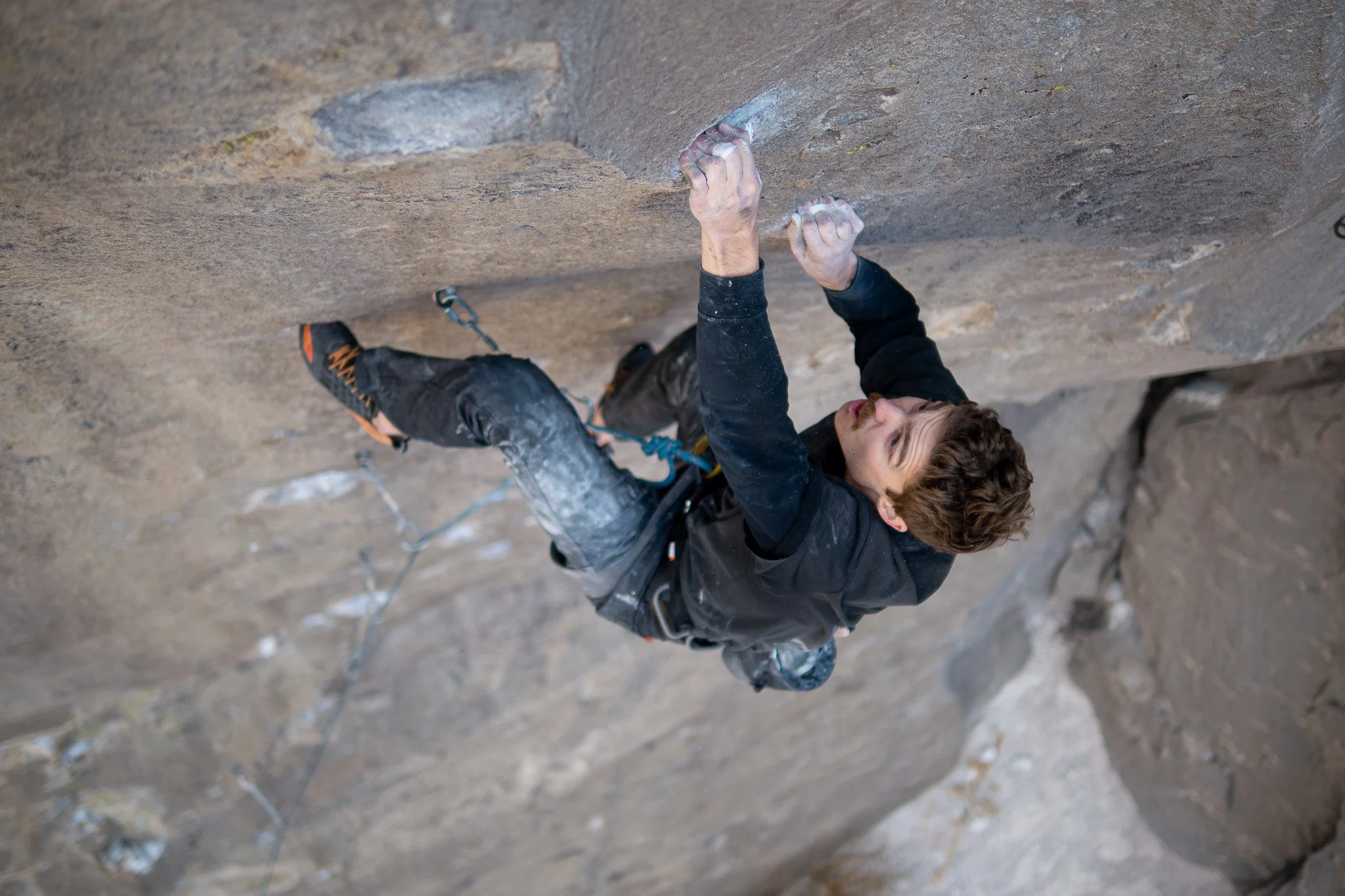
Luca aligning the variables on Fight Club (5.13b) in the Owens River Gorge, CA © Vertical Ascents
Redpointing a climbing project is a complex process. There are three important variables to align if you want to give yourself the best chance of success. These are the three things I look for before I make any big decisions about what to do next.
I often help climbers send projects that are right at their limit. I've done this with climbers of all levels, from those getting stuck into their first project all the way up to elite climbers on the hardest routes. Regardless of experience level, the process is surprisingly similar.
If you've tried to do this yourself, you'll know just how psychologically challenging the process can be. There are always decisions to be made.
"Should I stick with this?"
"Should I go and do some training?"
"Should I let the projecting process play out and see what happens?"
"Should I shelve it until next year?"
Because you're making all these decisions, it's important that the feedback you're getting from the climb is as clear as possible.
To do that, I have a few rules that help me decide whether the feedback is strong enough to make those decisions.
So if you're a climber working on a project, whether that's a route or a boulder problem, pay attention to these three variables when you're trying to decide what to do next.
And if you don't align these three variables, don't be too hasty to make any big decisions.
1. Good Conditions
The first variable is good conditions.
I'll never make a decision about what to do next on a route unless the climber has had several really good condition sessions on it.
Conditions have such a huge influence on how hard climbing feels that if the conditions aren't good, there's too much noise in the feedback.
2. Low Fatigue
Secondly, I want to think about day-to-day fatigue.
I want to make sure that the climber is coming into the session completely recovered so that the signal we're receiving from the climbing is as clear as possible.
If you're carrying fatigue from a week of training, it's impossible to know whether you're struggling because the climb is too difficult or because you're tired.
3. Be Current
Finally, I want to make sure that the climber is on form and bouldering close to their best. I want to make sure that they've sharpened the blade. They're feeling current and drifting towards the peak of their current bouldering ceiling.
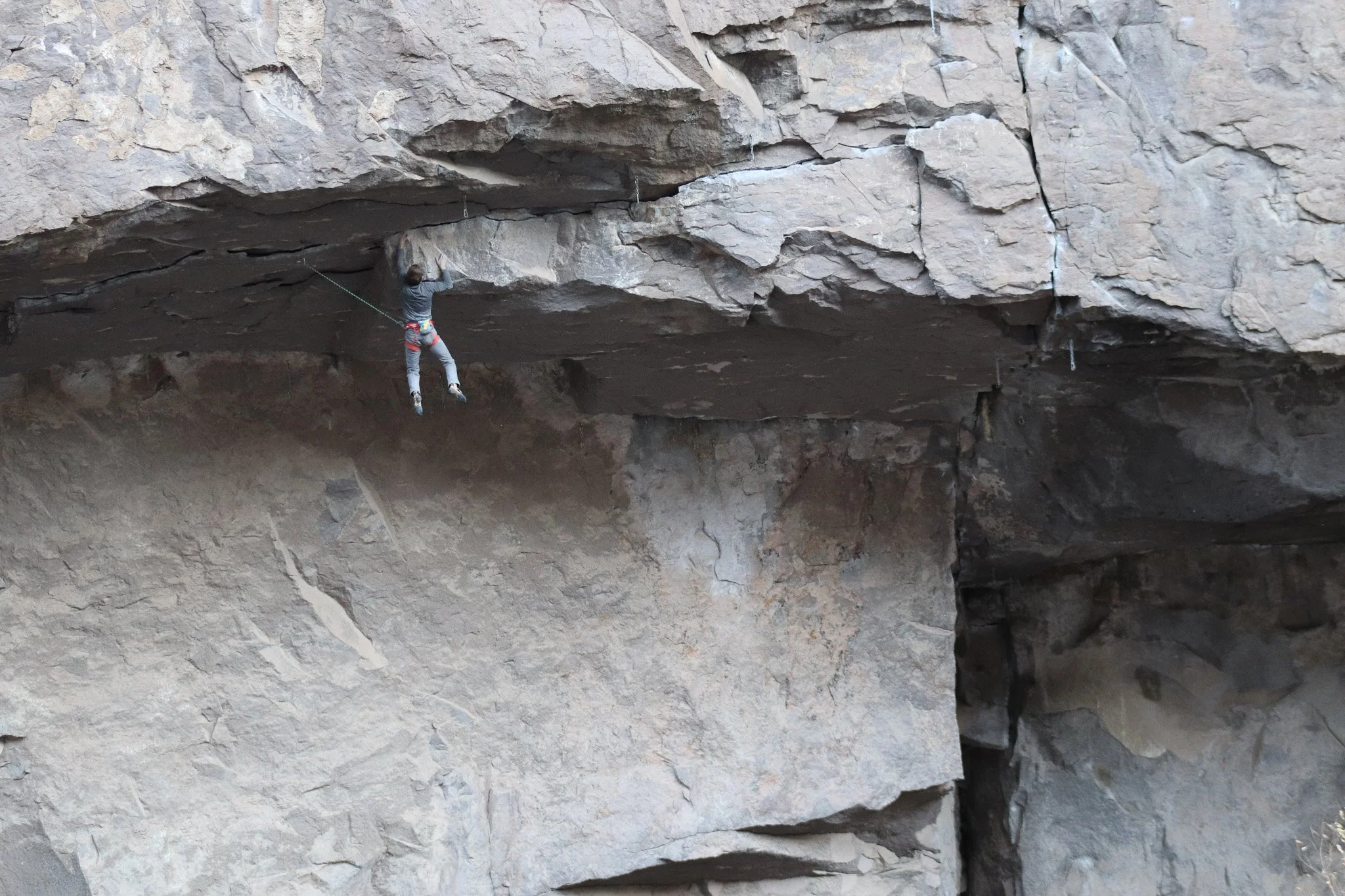
Looney Binge (5.12c) in the Owens River Gorge, CA © Luca Pompanin
Don't Make Decisions Until You Align All Three
These are the three variables that I continually come back to with climbers when I'm helping them try to send their projects.
We don't make any big decisions about the route, about what we should do next, about whether we need a training intervention or whether we should pivot, until we've aligned those three variables.
And something interesting often happens when you align all three. Unless the route selection is wildly mismatched, you'll often find that the climber starts making steady, ongoing progress from one session to the next just by trying to line up these three variables.
And often, that's enough to push them over the finish line. Seriously!
So before you decide that perhaps you're not strong enough on a certain move, or that you don't have enough endurance, take a step back and focus on these three actionable variables.
Be patient and wait for good conditions.
Make sure you're not carrying fatigue from your training or your last session.
And make sure you're bouldering close to peak form.
Then see what happens.
Because until you've done that, you don't have enough information to make a good decision about what to do next.
Thanks for reading,
Simon
Enjoyed this article?
Join How We Learn To Climb for one new essay each week on training, movement and the philosophy of becoming a better climber.